

Is Luxury Bedding Worth It? A Practical Breakdown
Table of Contents
- What Makes Luxury Bedding Different From Regular Bedding
- Understanding Thread Count and What It Actually Means
- Luxury vs. Budget Bedding: Cost-Per-Use Reality
- Percale vs. Sateen Sheets: Which Lasts Longer and Feels Better
- How Long Do Bed Sheets Last and What Affects Durability
- Is Luxury Bedding Worth It for Your Sleep Preferences
- Frequently Asked Questions
Last Updated: October 12, 2026
What Makes Luxury Bedding Different From Regular Bedding
The difference between luxury bedding and standard sheets comes down to three core factors: fiber quality, weave construction, and finishing details. These aren't just marketing terms, they directly affect how your sheets feel, perform, and hold up over years of use.
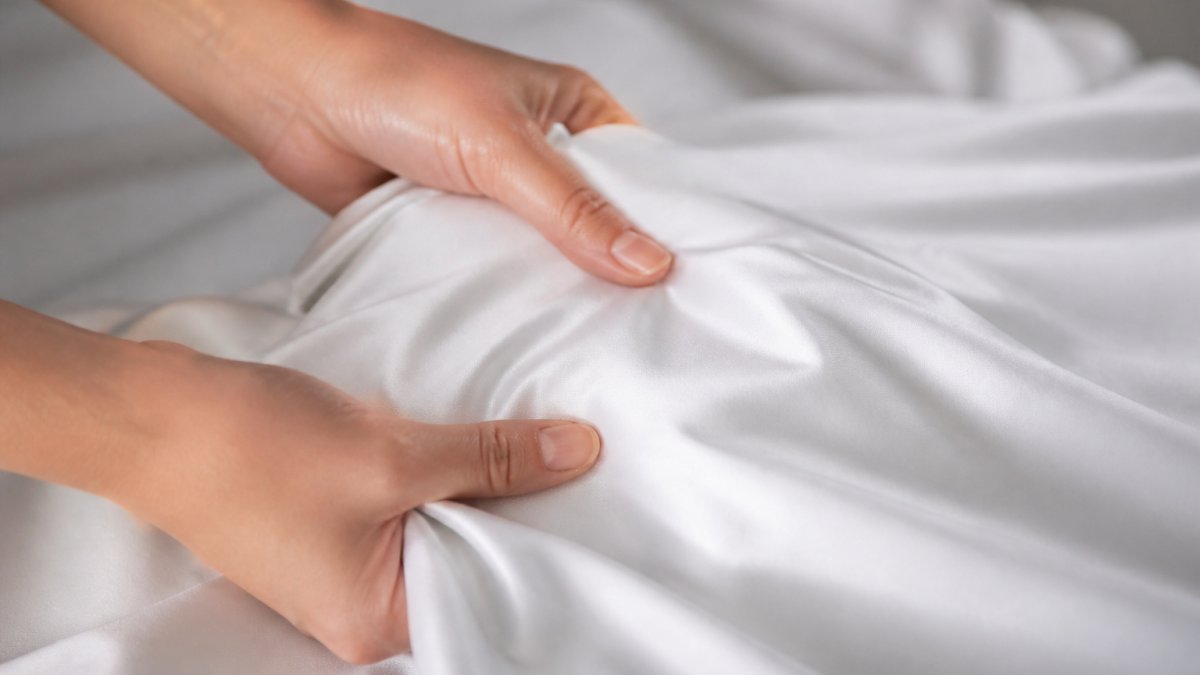
Fiber Quality and Long-Staple Cotton
Premium sheets start with superior raw materials. Long-staple cotton fibers, particularly Egyptian and Pima varieties, are significantly longer and stronger than standard cotton. This matters because longer fibers create smoother yarn, which translates to softer, more durable fabric.
At Embroidery Studio Plus, we use 100% Egyptian cotton in our monogrammed sheet sets because the fiber length produces that silky feel without pilling. Standard bedding often blends shorter fibers with polyester, which compromises both softness and longevity. The longer the staple length, the fewer loose fiber ends that break free and pill over time.
Pima cotton, another premium option, offers similar benefits with an ultra-soft hand and natural resistance to fading. Both Egyptian and Pima cottons breathe better than blended fabrics, keeping you cooler in summer and warmer in winter without the synthetic feel.
Weave Type and Finish
How cotton is woven dramatically changes the sheet's character. A sateen weave, where the yarn floats across the surface, creates that luxurious, silk-like drape and smoothness. Percale weave, by contrast, produces a crisper, cooler feel with a matte finish. Neither is objectively better; they suit different preferences and sleepers.
The finishing process separates luxury from budget bedding. Premium sheets undergo additional processing: combing to remove short fibers, mercerization to enhance luster, and careful heat-setting to lock in softness. These steps cost more but create fabric that resists shrinkage and maintains its feel through dozens of washes.
Budget sheets skip these finishing steps, which is why they often feel stiff initially and deteriorate faster. The fabric may feel acceptable straight from the package, but that quality degrades quickly with laundering.
Understanding Thread Count and What It Actually Means
Thread count measures how many threads are woven into one square inch of fabric, both lengthwise and widthwise. A 600 thread count sheet has 600 threads per inch. Simple enough, except the marketing around thread count is often misleading.
Higher thread count doesn't automatically mean better sheets. Beyond 600-800, the quality gains flatten out. Some manufacturers artificially inflate numbers by twisting multiple thin threads together and counting each ply separately, which distorts the actual quality.
What matters more than the raw number is whether the thread count is accurate and paired with quality fiber. A 600 thread count sheet made from long-staple Egyptian cotton will feel noticeably better than a 1000 thread count sheet made from short-staple blended cotton.

Our Embroidered Jasmine Bed Sheets feature a legitimate 600 thread count in 100% combed Pima cotton. That combination, quality fiber plus realistic thread count, delivers genuine luxury without inflated claims.
Luxury vs. Budget Bedding: Cost-Per-Use Reality
The price gap between luxury and budget bedding can seem steep. A budget sheet set might cost $40-60, while luxury options run $200-500.

Here is a transparent model you can adapt to your own numbers. Cost per use = (purchase price + total care costs over the sheet's life) ÷ (nights of use).
| Assumption | Budget Set | Midrange Set | Luxury Set |
|---|---|---|---|
| Purchase price | $50 | $120 | $280 |
| Realistic lifespan | 1-2 years | 3-4 years | 5-7 years |
| Washes per year | 52 | 52 | 52 |
| Estimated care cost per wash | $0.35-$0.60 | $0.35-$0.60 | $0.35-$0.60 |
| Total care cost over life | ~$18-$62 | ~$55-$125 | ~$91-$218 |
| Total cost of ownership | ~$68-$112 | ~$175-$245 | ~$371-$498 |
| Cost per use (weekly wash) | ~$0.65-$1.08 | ~$0.56-$0.79 | ~$0.51-$0.68 |
Two things stand out. First, the per-use gap between budget and luxury is narrower than the sticker price suggests, often under 30 cents per night. Second, care costs are not trivial.
There is also the comfort factor. If luxury sheets improve your sleep quality, that value compounds across hundreds of nights. One better night's sleep per week adds up to 52 nights annually. Over five years, that's 260 nights of improved rest, a meaningful return for many people, though it is a subjective benefit rather than a measurable one.
The real question isn't whether luxury bedding is expensive; it's whether luxury bedding worth it comes down to whether the extended lifespan, lower care burden, and comfort justify the upfront cost for your situation.
Percale vs. Sateen Sheets: Which Lasts Longer and Feels Better
Percale and sateen are the two dominant weaves in quality bedding, and they offer opposite experiences.
Percale sheets have a crisp, cool feel with a matte finish. The tight weave creates a smooth surface that resists pilling. Percale breathes exceptionally well, making it ideal for hot sleepers or warm climates.
Sateen sheets deliver that silk-like drape and lustrous appearance. The floating weave creates a smoother, warmer feel, perfect for cold sleepers or winter months. Sateen resists wrinkling naturally, so they maintain a polished appearance with minimal effort.
On durability, both perform equally well when made from quality fiber. A 600 thread count sateen in Egyptian cotton lasts as long as a 600 thread count percale in the same fiber. The weave affects feel and maintenance, not lifespan.
Choose percale if you sleep hot, want minimal wrinkles without ironing, or prefer a crisp texture. Choose sateen if you sleep cold, value that luxurious drape, or want maximum softness.
How Long Do Bed Sheets Last and What Affects Durability
Quality luxury bedding typically lasts 5-7 years with regular use. Budget sheets often fail within 1-2 years. The difference comes down to fiber strength, construction, care routine, and, critically, how the fabric was verified before you bought it.
Luxury Monogrammed Egyptian Cotton Bed Sheet Set -600 Thread Count with Custom →
Pilling, Thinning, and Wear Patterns
Pilling occurs when short fibers break free and ball up on the surface. Long-staple cotton resists pilling because the fibers are stronger and longer, so they're less likely to break. Budget sheets pill aggressively after 20-30 washes because short fibers snap easily.
Thinning happens gradually as fibers wear away with each wash. You'll notice this as sheets lose their substantial feel and become papery. Luxury sheets maintain their weight and texture for years. Budget sheets thin noticeably within 6-12 months.
Colorfastness also matters. Premium dyes and finishing processes lock color into the fiber, so sheets resist fading even with regular washing. Budget sheets fade faster because the dye bonds are weaker.
Material-Specific Durability by Sleeper Type
Not all luxury fabrics age the same way. Match the material to how you sleep and how you care for it:
- Percale (cotton): Crisp, cool, and highly breathable. Best for hot sleepers. Wrinkles more, so it may need ironing if you want a polished look. Ages well with warm-water washing and low-heat drying.
- Sateen (cotton): Smoother, warmer, and more wrinkle-resistant. Best for cold sleepers and those who want a lustrous finish. Slightly less breathable, so hot sleepers may find it heavy.
- Linen: Highly breathable and temperature-regulating, but wrinkles heavily and softens over years rather than washes. Best for hot sleepers who accept a relaxed look.
- Cotton blends: Lower cost and easier care, but shorter fibers pill faster and thin sooner. Best for guest rooms or infrequent use.
If you have sensitive skin, look for long-staple cotton or linen with minimal chemical finishing. If you prefer a crisp texture, percale is the safer long-term choice. If you want maximum softness, sateen delivers it, at the cost of some breathability.
Care and Maintenance Impact on Lifespan
How you wash sheets dramatically affects longevity. Hot water breaks down fibers faster than warm or cold. Harsh detergents damage the fiber structure. Excessive heat in the dryer weakens cotton. Chlorine bleach accelerates fiber degradation.
To extend sheet life: wash in warm water, use mild detergent, air-dry or use low heat, and avoid bleach. Luxury sheets justify these extra care steps because the investment is significant. Budget sheets, by contrast, often aren't worth careful laundering, the cost of utilities and effort exceeds the sheet's value.
What Certifications and Sourcing Can, and Cannot, Tell You
Labels like OEKO-TEX, GOTS, and cotton-origin claims can help you verify fiber quality and chemical safety, but they do not guarantee durability. A certified organic sheet can still pill if the fiber is short-staple. Conversely, a well-constructed long-staple sheet without a certification may outperform a certified budget set.
Use certifications as one data point, not a verdict. Ask about fiber length, weave, and finishing, those are the variables that actually predict how long sheets last. If a brand won't disclose them, treat the durability claim with skepticism.
Our Blessed Embroidered Bed Sheets and other luxury options come with care instructions designed to maximize lifespan. Following these guidelines keeps sheets soft and durable for years.

OEKO-TEX certification standards and what they cover
Is Luxury Bedding Worth It for Your Sleep Preferences
The answer depends on three factors: your sleep quality needs, your budget flexibility, and your replacement frequency.
If you're a light sleeper sensitive to fabric texture, luxury bedding's softness and breathability likely improve your rest. That improvement, multiplied across 365 nights annually, has real value.
Budget constraints matter too. If luxury sheets strain your finances, the stress negates any comfort gain.
Consider your current replacement pattern. If you buy new sheets every year or two anyway, luxury bedding's extended lifespan saves money long-term.
Many people find a middle ground: one luxury set for special occasions or guest rooms, paired with budget sheets for everyday use.
For those drawn to personalization and artisanal craftsmanship, luxury embroidered sheets from Embroidery Studio Plus offer something budget bedding cannot: individuality.
| Factor | Budget Bedding | Luxury Bedding |
|---|---|---|
| Typical Lifespan | 1-2 years | 5-7 years |
| Cost Per Use | $0.30-0.60 | $0.50-0.80 |
| Fiber Type | Cotton blend or short-staple | Long-staple cotton (Egyptian/Pima) |
| Softness | Acceptable initially | Maintains softness for years |
| Pilling Resistance | Low; visible after 20-30 washes | High; minimal pilling over lifespan |
| Customization | None | Monogramming, embroidery available |
| Best For | Price-conscious buyers | Sleep quality prioritizers, gift-givers |
Luxury bedding isn't universally necessary, but it's worth the investment if you value sleep comfort, appreciate quality craftsmanship, or want sheets that last.
Frequently Asked Questions
Are luxury bed sheets worth the money?
Luxury bedding justifies its cost through superior comfort, durability, and longevity. Premium sheets made from long-staple cotton with proper construction resist pilling and maintain softness through hundreds of washes. If you sleep on your sheets nightly, the cost-per-use over 3-5 years often rivals or beats budget alternatives that need replacing annually. The investment makes most sense if you value sleep quality and plan to keep sheets long-term.
What is the best thread count for bed sheets?
The ideal thread count for comfort and durability ranges from 400 to 600. Thread count measures threads per square inch; higher counts increase softness and breathability. However, thread counts above 800 often indicate misleading marketing (multi-ply yarns inflating numbers). A 600 thread count sateen weave, like our Luxury Monogrammed Egyptian Cotton Bed Sheet Set, delivers hotel-quality softness and durability without the diminishing returns of inflated counts.
What's the difference between percale and sateen sheets, and which lasts longer?
Percale uses a tight, plain weave creating a crisp, cool feel ideal for warm sleepers. Sateen uses a looser weave producing a silky, smooth surface that drapes beautifully and resists wrinkling. Both last equally well when made from quality fibers; durability depends on fiber type and construction, not weave alone. Sateen sheets often feel more luxurious and require less ironing, making them popular for premium bedding despite higher cost.
How do I know if luxury bedding will actually last longer than budget sheets?
Luxury sheets last longer due to long-staple cotton fibers, tighter stitching, and better finishing. Budget sheets use short-staple fibers prone to pilling within months. Check for 100% long-staple cotton (Egyptian or Pima), a thread count between 400-600, and reinforced seams. Quality luxury sheets maintain softness after 100+ washes; budget alternatives thin and pill significantly after 20-30 washes. Proper care, gentle washing and air drying, extends lifespan by years.